Why Helmet Sanitization Is No Longer Optional in 2026
Let me tell you something important. Every day, you wear your helmet and go out on the road. You feel safe because it protects your head. But have you ever thought about what is happening inside that helmet? It is warm, dark, and full of sweat after every ride. That kind of environment is perfect for tiny germs to grow. In 2026, with hotter weather and longer riding hours, ignoring helmet cleaning is not just careless — it can actually affect your health.
What Is Actually Growing Inside Your Helmet?
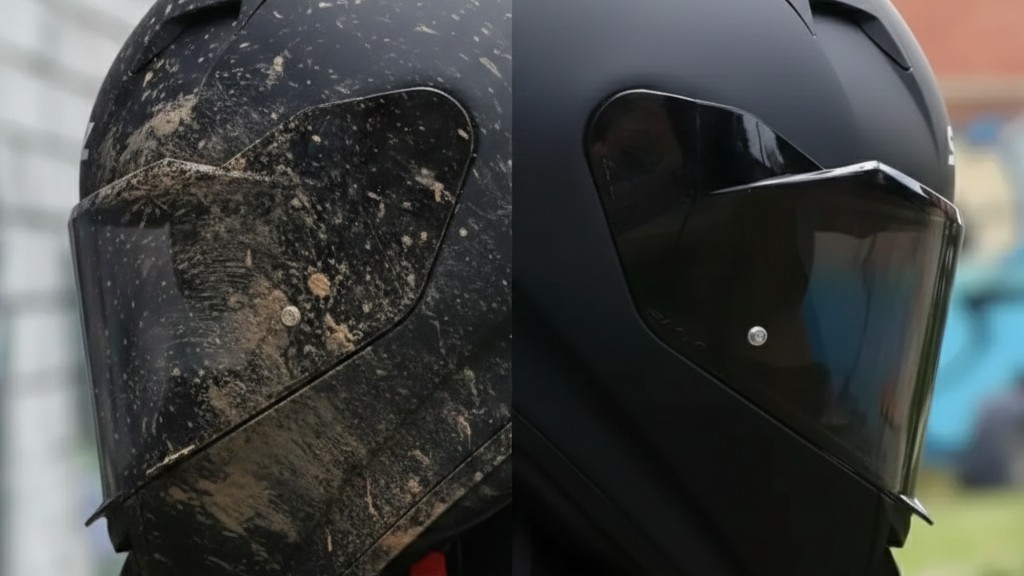
When you ride in 35–40°C heat, your head sweats a lot. That sweat gets absorbed into the helmet padding. Along with sweat, there are dead skin cells, hair oil, and dust from the road. All of this creates the perfect place for bacteria and fungi to grow. Some common germs found in unclean helmets include Staphylococcus aureus, Pseudomonas aeruginosa, Aspergillus mold, and even E. coli. If you do not clean your helmet properly, the number of bacteria can grow extremely fast within just a week. The bad smell you notice after a few days? That smell is a sign that germs are multiplying.
What Health Problems Can This Cause?
Doctors are seeing more cases of scalp infections caused by dirty helmets. Riders can develop itchy skin, painful bumps called folliculitis, dandruff that does not go away, pimples caused by pressure and sweat, and sometimes even hair thinning. Delivery riders who wear helmets for 10 or more hours every day are at higher risk. Over time, breathing in mold and bacteria can also cause allergies or sinus problems. This is not just about comfort — it is about protecting your health.
Why Is 2026 a Turning Point?
The weather is getting hotter each year. Cities are more polluted. More people are using bikes daily, especially delivery riders who spend long hours on the road. Because of this, helmets stay sweaty for longer periods. After COVID, people are also more aware of hygiene and safety. Businesses, colleges, and bike showrooms are now expected to maintain better hygiene standards. What people ignored a few years ago is now considered essential.
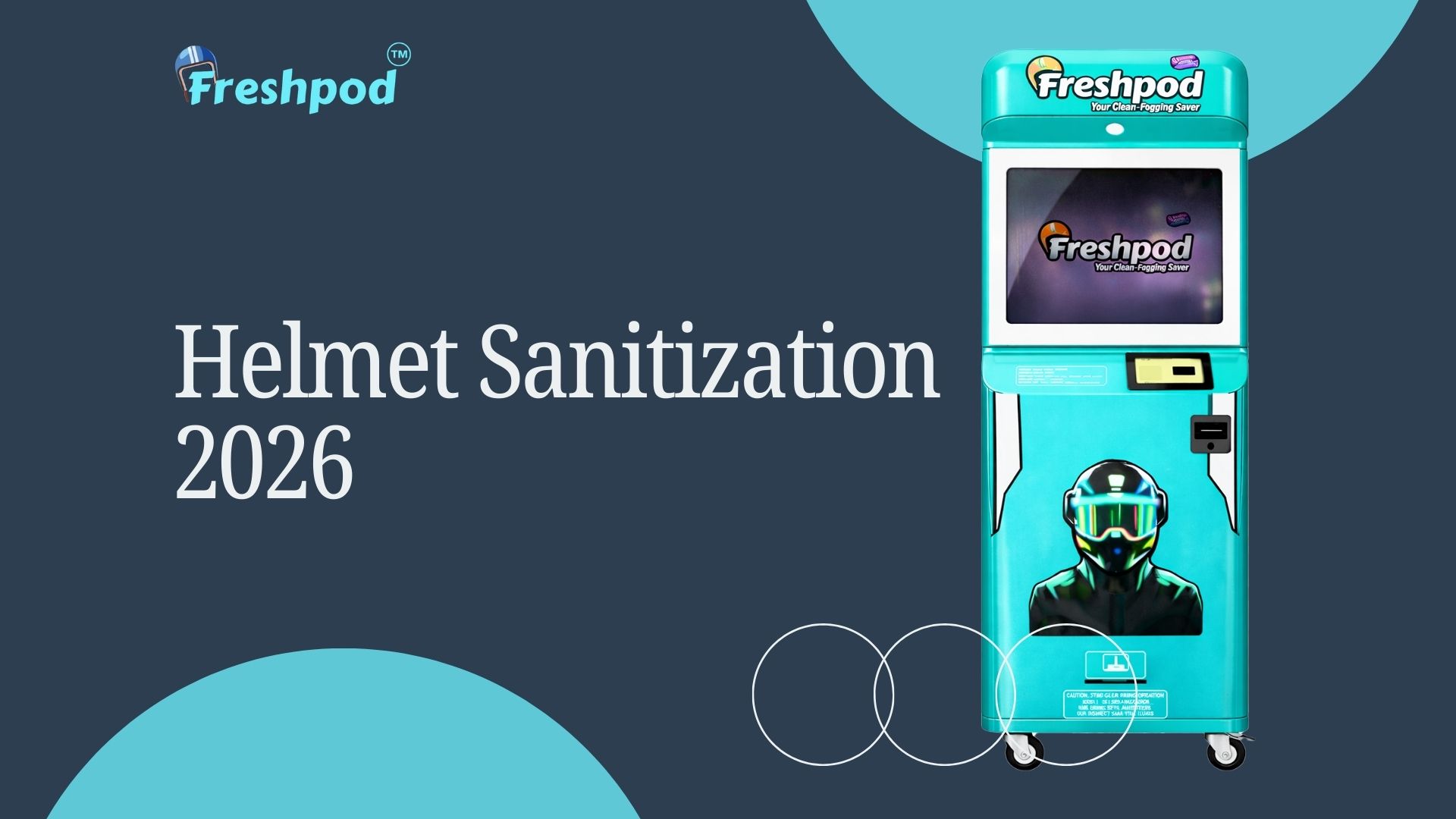
How FreshPod Makes It Easy
FreshPod is designed to solve this exact problem. It uses UV-C light and ozone technology to kill 99.9% of bacteria, fungi, and viruses in just 3–5 minutes. There is no water and no harmful chemicals involved. It does not damage helmet padding, foam, or visor materials. It is quick, safe, and simple to use. That means riders, delivery hubs, colleges, and businesses can keep helmets clean without any hassle.
Frequently Asked Questions
Is helmet sanitization really necessary in 2026?
Yes. With higher temperatures and longer riding hours, bacteria grow quickly inside helmets. Regular sanitization helps prevent scalp infections, allergies, and bad odor.
How often should I sanitize my helmet?
If you ride daily, sanitizing your helmet every 3–7 days is a good practice. Delivery riders may need even more frequent cleaning.
Does FreshPod damage helmet materials?
No. The UV-C and ozone process is designed to be safe for helmet padding, foam, and visor materials when used properly.