How Dirty Helmets Can Affect Your Skin and Hair Health
Your helmet is meant to protect your head from injury. But if it is not cleaned properly, it can slowly affect your skin and hair. After every ride, sweat, oil from your scalp, dead skin cells, and dust get trapped inside the helmet padding. Over time, this creates a warm and moist space where bacteria and fungi grow easily. Many riders blame stress or "helmet hair" for their scalp problems, but often the real reason is poor helmet hygiene.
How Sweat and Dirt Build Up Inside
When you ride in hot weather, your head sweats a lot. That sweat gets absorbed into the helmet liner. It mixes with natural oils (called sebum), dirt from the road, and tiny microbes already present on your skin. This combination creates the perfect environment for bacteria and fungi to multiply. Each time you wear the same unclean helmet, those germs come back into contact with your scalp and face.
Common Skin Problems Riders Face
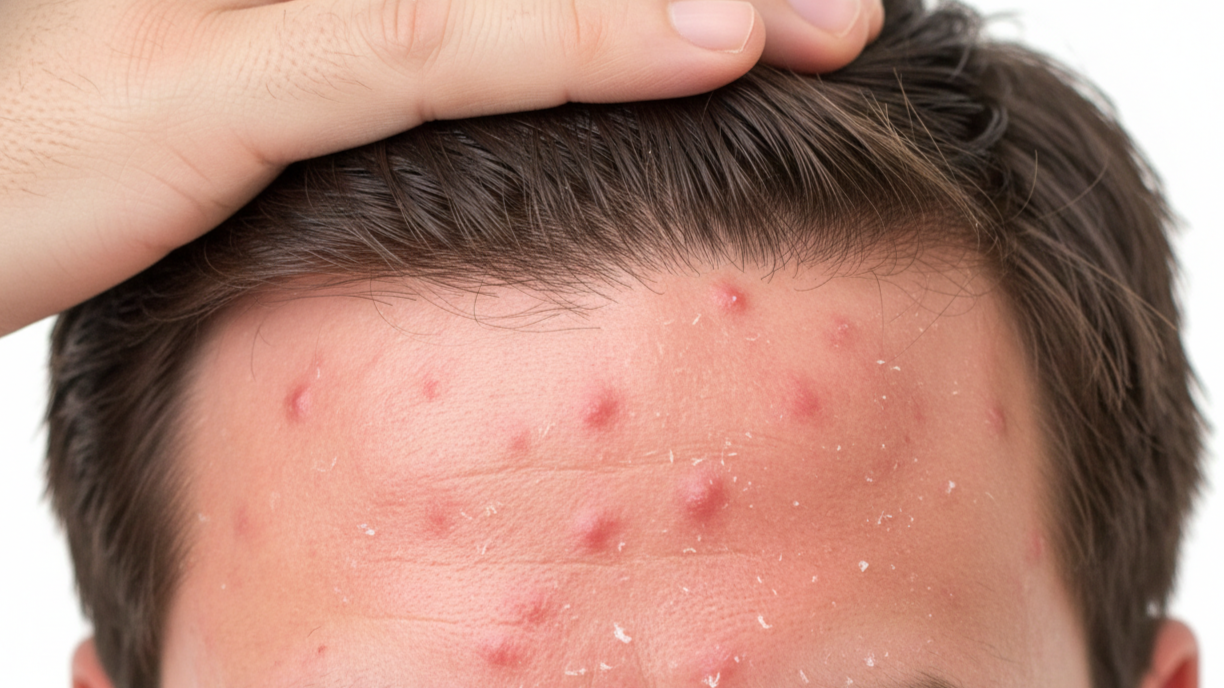
One common issue is acne mechanica, which appears as small red pimples where the helmet presses against your forehead or cheeks. Dirty padding makes this worse because it contains acne-causing bacteria. Riders may also experience folliculitis, which looks like small painful bumps around hair follicles. Other problems include seborrheic dermatitis (itchy, flaky patches) and fungal infections. If helmets are shared, these skin issues can spread from one person to another.
How It Affects Your Hair
Excess moisture and fungal growth can increase dandruff and scalp irritation. When hair follicles stay clogged and inflamed, hair roots can weaken. This may lead to hair breakage, thinning, or temporary shedding. Helmets do not cause genetic baldness, but wearing a dirty helmet regularly can make your hair look unhealthy, dull, and damaged over time.
Why These Problems Keep Happening
Many riders only wipe the outside of their helmet or use surface sprays. These methods clean what you can see but do not deeply sanitize the inner padding. Washing with water can sometimes leave moisture behind, which encourages more microbial growth if not dried properly. Because germs are invisible, people often ignore the issue until irritation becomes serious.
How FreshPod Helps Protect Your Skin and Hair
FreshPod provides a simple and effective solution. It uses UV-C light and ozone technology to kill 99.9% of bacteria, viruses, and fungi in just 3–5 minutes. The process is completely dry, meaning there is no added moisture and no chemical damage to helmet materials. By regularly sanitizing your helmet, you reduce the risk of skin infections, dandruff, and scalp irritation — helping keep both your skin and hair healthy.
Frequently Asked Questions
Can a dirty helmet cause acne?
Yes. Sweat, friction, and bacteria trapped inside the helmet can cause acne on the forehead, cheeks, and even the scalp.
Does wearing a dirty helmet increase dandruff or hair fall?
It can contribute to dandruff, scalp irritation, and temporary hair shedding due to fungal growth and clogged hair follicles.
How can I prevent skin and hair problems from my helmet?
Regular deep sanitization of your helmet, especially using dry UV-C and ozone methods, helps eliminate harmful microbes and protect scalp health.