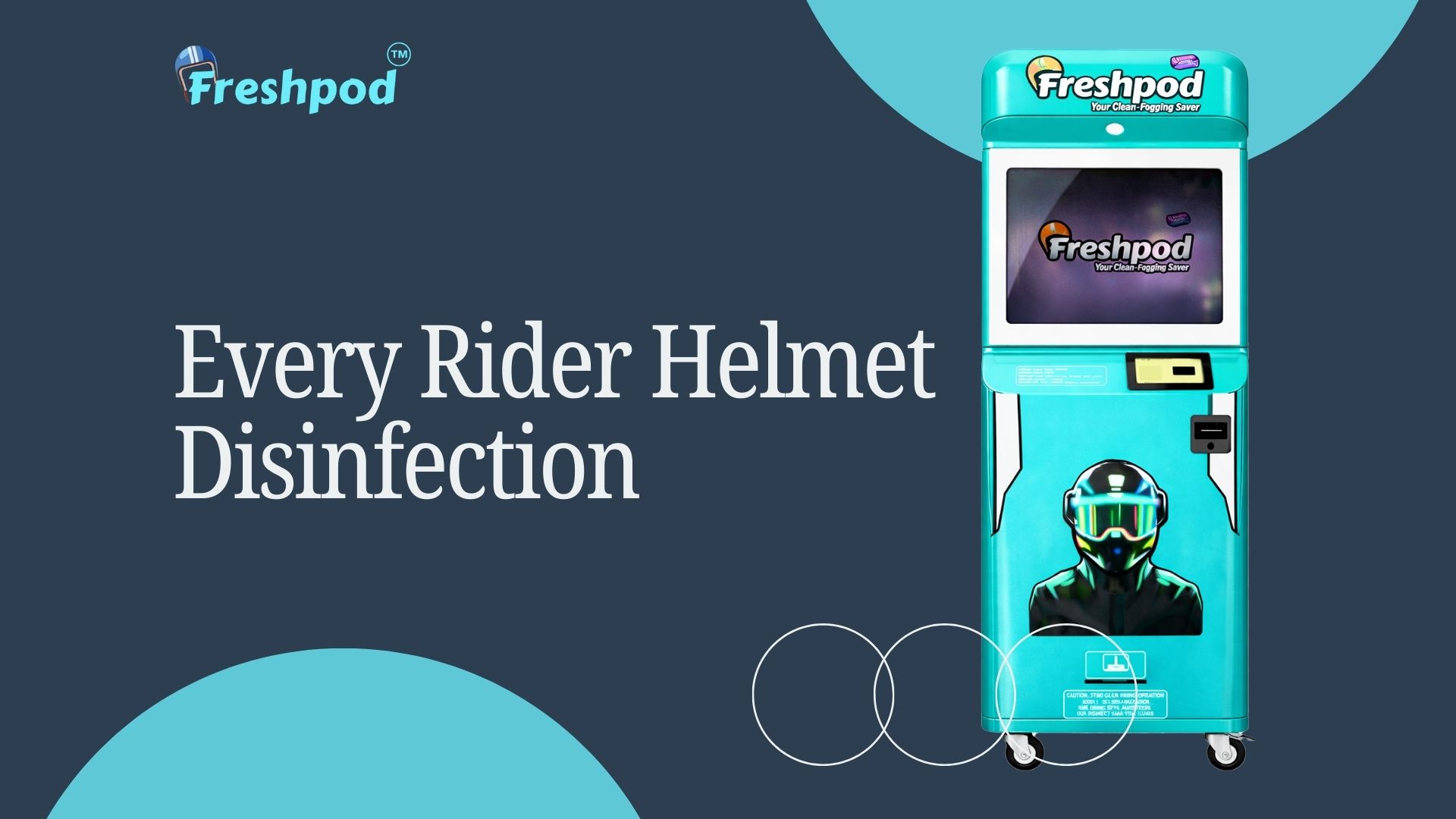
Why Every Bike Rider Needs Helmet Disinfection
Your helmet is the most intimate piece of riding gear you own. It hugs your scalp, traps your breath, absorbs your sweat, and travels with you through traffic, heat, dust, and rain. While it protects you from external impact, it quietly collects internal buildup ride after ride. Without regular disinfection, your helmet can transform from a safety device into a breeding ground for odor and microbes.
Inside Your Helmet: A Perfect Microbial Environment
Every ride creates warmth and moisture inside the padding. In India’s humid and high-temperature conditions, sweat saturation happens quickly — sometimes within minutes. Add natural scalp oils, dead skin cells, pollution particles, and hair products, and you create an ideal ecosystem for bacteria and fungi to multiply. Because the interior padding rarely dries completely between rides, microbial growth compounds daily.
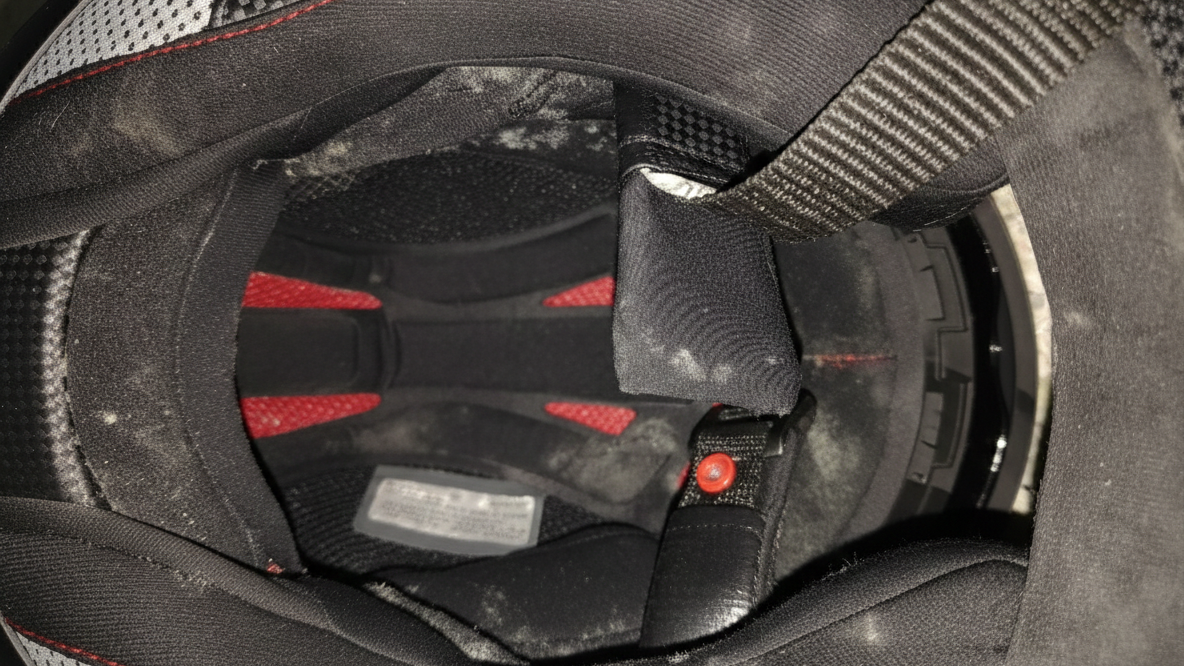
What Actually Grows Inside an Unclean Helmet?
Studies on enclosed sports gear show rapid growth of bacteria such as Staphylococcus species and environmental organisms like Pseudomonas. Fungal spores present in air and dust can settle and thrive in damp foam liners. Over time, microbial populations can multiply exponentially — which explains persistent odor even after surface wiping. Regular airing is not enough; targeted disinfection is required to eliminate deep-set contamination.
How This Affects Real Riders
Riders frequently report forehead acne, itchy scalp, dandruff-like flaking, small painful bumps (folliculitis), and persistent odor. Delivery riders who wear helmets for 8–12 hours daily are especially vulnerable. Repeated exposure weakens the scalp’s natural barrier and increases sensitivity. Inhaling stale air trapped inside a contaminated helmet may also irritate sinuses during long commutes.
The Risk Multiplies When Helmets Are Shared
Shared helmets — common in delivery fleets, rentals, showrooms, and even families — significantly increase cross-contamination. One infected scalp can transfer bacteria or fungi to the liner, exposing the next user. In high-rotation environments, microbial transfer becomes continuous unless systematic disinfection is implemented between uses.
Ignoring Disinfection Has Long-Term Costs
Beyond health concerns, moisture and microbial activity degrade padding faster, reducing comfort and shortening helmet lifespan. Frequent irritation leads to discomfort, distraction, and reduced riding confidence. In a post-pandemic era where hygiene awareness is higher than ever, wearing a visibly unclean or foul-smelling helmet can also impact personal and professional image.
A Smarter Way to Keep Helmets Truly Clean
FreshPod provides fast, dry, and chemical-free helmet disinfection using UV-C and ozone technology. The 3–5 minute cycle eliminates 99.9% of bacteria, viruses, and fungi without water exposure or damage to EPS foam, padding, or visors. Compact enough for homes yet scalable for delivery hubs, colleges, parking facilities, and dealerships, FreshPod makes professional-grade hygiene accessible to every rider — from casual commuters to high-volume fleet operators.
Frequently Asked Questions
Do daily commuters need helmet disinfection?
Yes. Even short rides create sweat and microbial buildup inside helmet padding. Regular disinfection prevents odor and scalp irritation.
Why is helmet disinfection critical for delivery riders?
Long wearing hours and shared use increase bacterial and fungal exposure, raising infection risks and discomfort.
Is wiping or sun-drying enough to clean a helmet?
Surface cleaning and drying reduce moisture but do not eliminate deep microbial contamination. Proper disinfection is required for complete hygiene.